
Sudden, stabbing episodes of pain in the area of the ear, tongue, throat, or tonsils may indicate glossopharyngeal neuralgia. The cause is irritation of the glossopharyngeal nerve, also known as the tongue-throat nerve. Typical triggers include chewing, swallowing, speaking, or touch in the throat area. If medication does not provide sufficient relief, neurosurgery offers an effective treatment option: a specialized minimally invasive procedure provides lasting pain relief in over 85% of our patients.
How common is glossopharyngeal neuralgia?
Glossopharyngeal neuralgia is a rare condition compared to other forms of facial and head pain. It is very uncommon, with a prevalence of 0.2–1.3% among all facial pain syndromes, and it tends to affect older individuals more frequently. However, it can potentially occur at any age.
What are the symptoms of glossopharyngeal neuralgia?
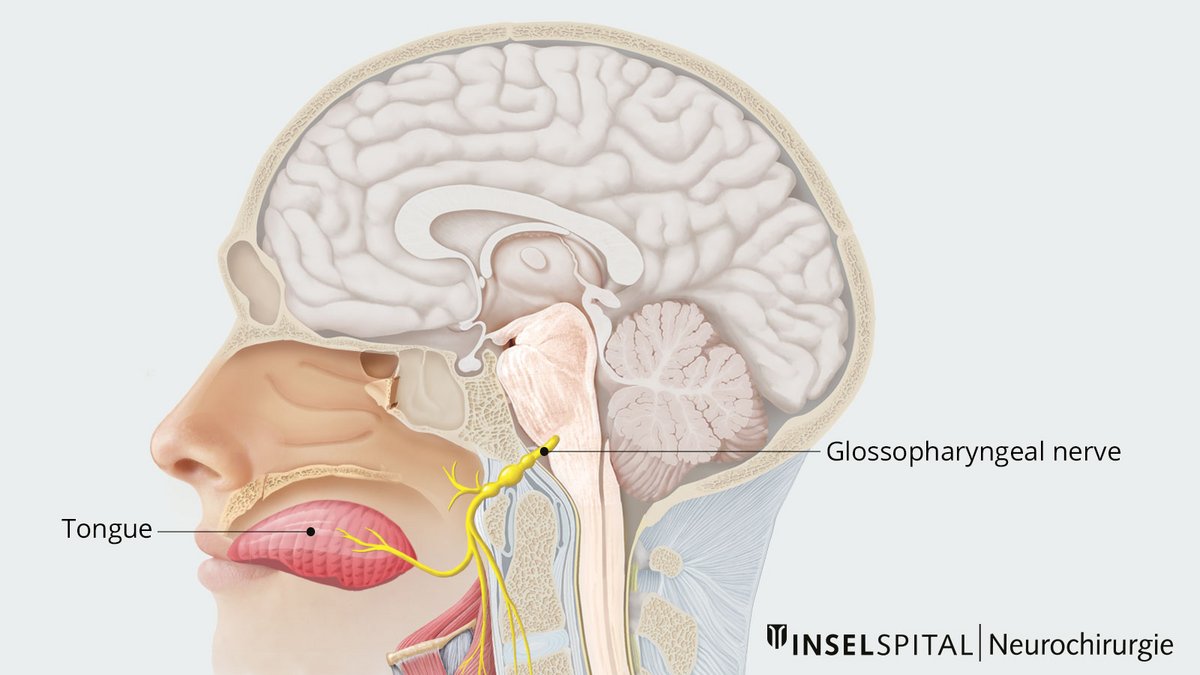
The glossopharyngeal nerve (IXth cranial nerve), also known as the tongue-pharynx nerve, transmits sensory information from the pharynx, tonsils, and tongue to the brain and controls parts of the pharyngeal musculature.
Glossopharyngeal neuralgia is typically characterized by short, very intense, lightning-like shooting pains that usually occur on one side in the area of the throat, tonsils, tongue, or ear. The attacks often last only a few seconds and are frequently triggered by swallowing, chewing, coughing, yawning, speaking, or touch.
Because of the pain, some people with this condition avoid eating, which can lead to unintentional weight loss. It is not uncommon for glossopharyngeal neuralgia to improve spontaneously within 6 months. If symptoms persist, a possible cause should be investigated, and a decision made regarding appropriate treatment options.
What causes glossopharyngeal neuralgia?
In rare cases, glossopharyngeal neuralgia is caused by a pathological condition such as a tumor, a vascular abnormality, inflammation, or adhesions near the nerve. More commonly, however, it is an idiopathic form for which no clear cause can be identified.
Possible causes include damage to the nerve sheaths, which can cause tactile stimuli to be incorrectly transmitted as pain. These changes may occur as part of the aging process or be exacerbated by prolonged contact with adjacent pulsating blood vessels (neurovascular conflict).

How is the diagnosis made?
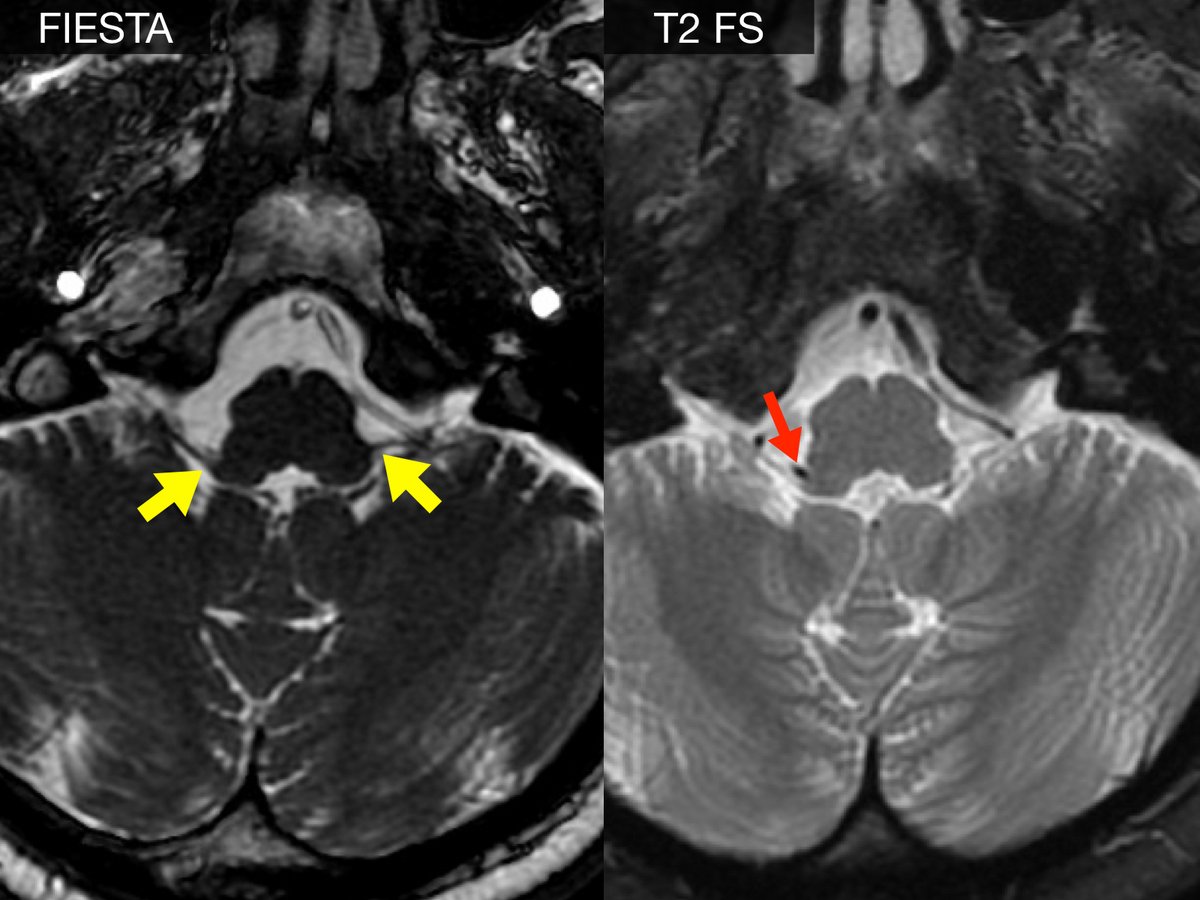
To diagnose glossopharyngeal neuralgia and rule out other possible causes, a magnetic resonance imaging (MRI) scan of the skull is usually performed.
This can help identify, among other things, a neurovascular conflict or anatomical abnormalities such as an elongated styloid process of the skull base.
What are the treatment options?
Treatment for glossopharyngeal neuralgia depends on the cause. If a rare symptomatic form is present, the underlying condition is treated if possible.
Conservative treatment
In cases of idiopathic glossopharyngeal neuralgia – the more common form with no apparent cause – treatment initially involves medication, usually carbamazepine. The dosage is adjusted gradually until the pain attacks are adequately controlled.
Surgical treatment
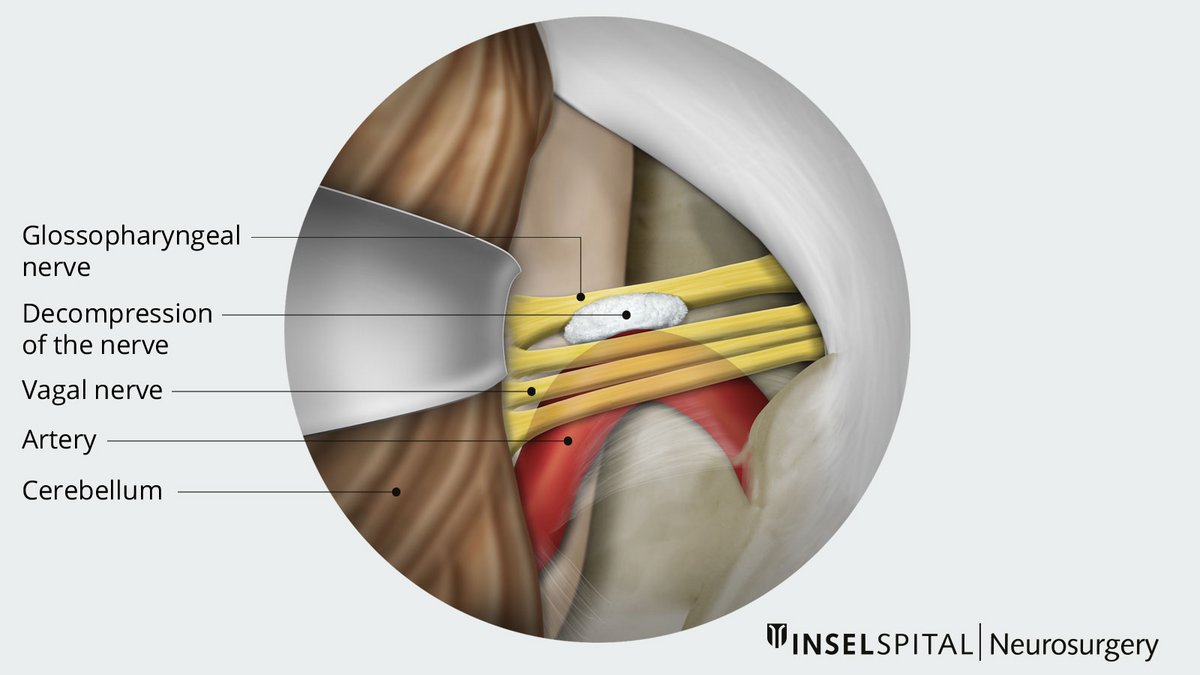
If medication is not effective enough or if significant side effects occur, neurosurgical treatment may be appropriate. The first-line treatment is microsurgical neurovascular decompression according to Jannetta.
During this procedure, the glossopharyngeal nerve is visualized under an operating microscope and relieved of pressure from interfering, pulsating blood vessels. The vessel is separated from the nerve using a small cushioning material. During the procedure, neurophysiological monitoring tracks important nerve functions to enhance the safety of the treatment.
Our experience at Inselspital
Microsurgical neurovascular decompression is one of the established procedures for treating glossopharyngeal neuralgia at Inselspital. Although this surgery is performed more frequently for trigeminal neuralgia, the surgical technique is similar.
With careful patient selection, the long-term outcomes are very good: More than 85% of our patients experience significant and lasting pain relief following the procedure.