
Acromegaly is usually caused by a benign tumor of the pituitary gland – known as a pituitary adenoma – that produces excessive amounts of growth hormone. Because the condition can have serious health consequences, targeted treatment is important. It can often be cured through surgery. However, additional therapies are sometimes necessary to manage the condition in the long term. Interdisciplinary care at a specialized center improves treatment outcomes.
How common is acromegaly?
Acromegaly is a rare condition. It affects approximately 50 to 70 people per million; each year, it is newly diagnosed in about 10 people per million residents *. The condition is usually diagnosed between the ages of 20 and 50, with an average age of diagnosis of about 45 years *.
What symptoms does acromegaly cause?
Due to the increased secretion of growth hormone, physical appearance usually changes gradually.
Typical signs and possible consequences include:
- coarser facial features, as well as enlargement of the nose, lower jaw, and tongue
- larger hands and feet—rings or shoes no longer fit
- diabetes and high blood pressure
- impaired heart function
- vision problems with larger tumors due to pressure on the optic nerves
- joint pain
- carpal tunnel syndrome
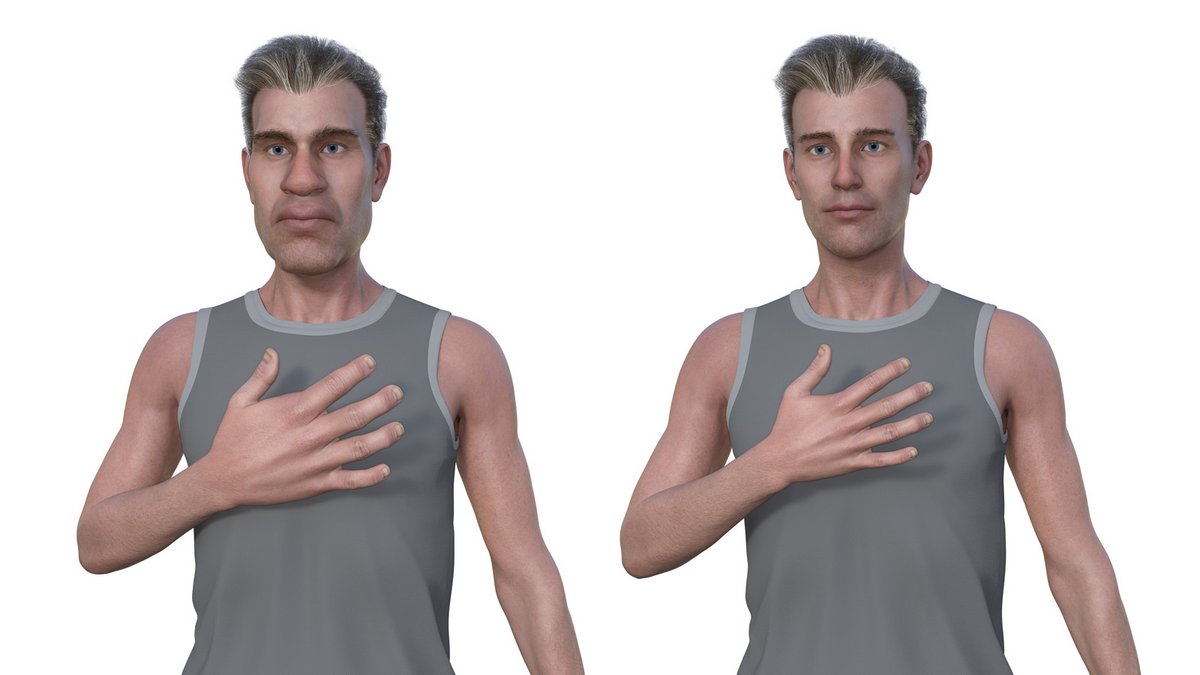
These changes develop gradually and are therefore often not recognized until later. On average, acromegaly is diagnosed about five years after the onset of symptoms. *
How is acromegaly diagnosed?
To make a diagnosis, the level of the hormone IGF-1 in the blood is first measured. IGF-1 is produced primarily in the liver in response to growth hormone (GH) released by the pituitary gland. Because IGF-1 levels fluctuate less than GH levels, they are particularly useful for diagnostic purposes. Age-specific reference ranges must be taken into account during evaluation.
If the results are inconclusive, an oral glucose tolerance test may also be performed. In healthy individuals, the release of growth hormone is suppressed after ingesting a sugar solution. If this suppression does not occur, it confirms the diagnosis of acromegaly.
In addition, the other pituitary hormones are tested. Prolactin levels are also often elevated – either due to pressure from the tumor on the pituitary stalk or because the tumor secretes prolactin in addition to growth hormone.
If blood tests confirm acromegaly, the pituitary gland is examined using magnetic resonance imaging (MRI). This reveals the exact location and size of the tumor. If surgery is planned, a computed tomography (CT) scan may also be useful to assess the bony structures.
Why is treatment important?
If left untreated, acromegaly can have serious health consequences. These include, in particular, cardiovascular diseases and an increased risk of certain types of cancer, such as colorectal cancer. As a result, life expectancy can be significantly reduced.
Successful treatment improves the prognosis and can largely normalize life expectancy *, *. The targeted diagnosis and treatment of comorbidities is therefore an important part of therapy.
How is acromegaly treated?
Treatment options for acromegaly include surgery, medication, and radiation therapy.
Surgery to remove the tumor is usually the first and most important step in treatment. For extensive tumors, several procedures are often combined. These therapies complement one another and are tailored to the individual patient at a specialized, interdisciplinary center.
Surgery
The goal of the surgery is to remove the tumor as completely and safely as possible and to normalize hormone levels. Overall, a cure can be achieved in about 60–70% of those affected *, *, *, *, *, *, *, *, *,*. The prospects for success depend in particular on the following factors:
- Tumor size *, *, *, *
- Extent of invasion into the sinus cavernosus *, *, *, *, *, *, *
- Surgical technique and experience of the treatment team
For microadenomas with a diameter of less than one centimeter, remission rates are approximately 75–85%. For macroadenomas, they are around 50–65% *, *, *.
The endoscopic surgical technique offers particular advantages for extensive tumors. For small, centrally located tumors, microscopic procedures achieve comparable results *, *, *.
Even if complete removal is not possible, surgery may still be beneficial. Reducing the size of the tumor often lowers growth hormone levels as well *. This can make subsequent drug therapy more effective. If necessary, radiation therapy can also be administered.
Special surgical technique involving the cavernous sinus
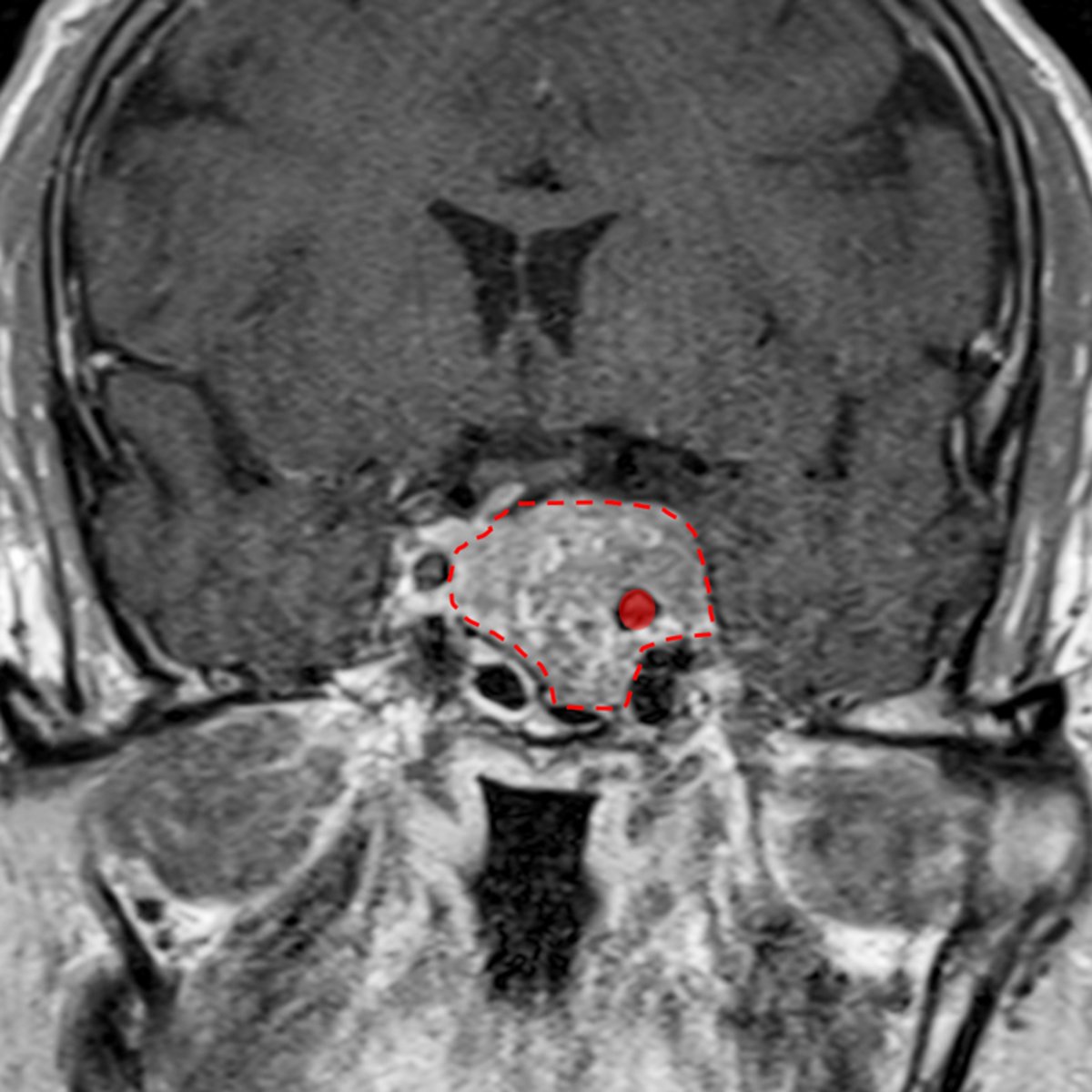
If the tumor invades the venous space located lateral to the pituitary gland – the cavernous sinus – the surgery becomes significantly more challenging. In cases of complete encasement of the internal carotid artery (Knosp grade 4), a cure through surgery alone is usually not realistic *.
In select cases, the medial wall of the cavernous sinus can also be removed. With this modern surgical technique, the cure rate can be increased to 80–90% *, *, *, *. The procedure is particularly relevant in cases of acromegaly, as these tumors invade the cavernous sinus or its wall relatively frequently *, *.
Studies have detected tumor cells in the medial wall of 70–80% of the tissue samples examined. With conventional surgery, these cells would remain behind and inevitably lead to a recurrence of the disease *, *, *. Even when no invasion was visible during surgery, tumor cells were still found in this wall under the microscope in half of the cases *.
Removal of the medial wall is a specialized and challenging procedure. Surgical experience therefore plays a crucial role in the success of the operation.
Tissue examination after surgery
After surgery, the removed tumor tissue is examined. This confirms that the tumor was producing growth hormone. The examination also provides insights into the tumor’s behavior, the risk of recurrence, and its potential response to medication.
Growth hormone-producing tumors belong to the so-called Pit-1 cell line. Some of these tumors produce prolactin in addition to growth hormone.
Under the microscope, two tumor types are distinguished *:
- Densely granulated tumors typically produce more growth hormone. They often cause more pronounced symptoms, are more likely to be detected at an earlier stage, and generally respond better to somatostatin analogs *, *, *, *, * .
- Low-granularity tumors usually produce less growth hormone. Symptoms may therefore be less noticeable. These tumors are often larger at the time of diagnosis, grow more aggressively, and respond less well to somatostatin analogs *, *, *. Therefore, surgical removal that is as complete as possible is particularly important.
Certain features on MRI can also provide clues about the tumor type and its potential response to medication *, *.
Hormone levels and follow-up appointments after surgery
After surgery, growth hormone (GH) levels usually drop rapidly. A level below 1.5–2.0 ng/mL after 2–3 days indicates a successful procedure *, *, *, *, *, *, * . The drop in hormone levels also causes fluid to be excreted from the tissues. As a result, urine output may be temporarily increased.
The IGF-1 level normalizes more slowly and is checked no earlier than 12 weeks after surgery *. In some cases, it may continue to decline during the first year. Both GH and IGF-1 are taken into account when assessing the success of treatment.
A cure or good disease control is considered to have been achieved if *, *:
- the GH level is below 1.0 ng/ml or, in the glucose tolerance test, below 0.4 ng/ml, and
- the IGF-1 level falls within the normal range for age and sex.
Slightly elevated IGF-1 levels may initially be observed in certain cases *. In up to 20% of patients, the GH and IGF-1 levels do not match after surgery *. In such cases, the measurements are repeated and, if necessary, supplemented by a glucose tolerance test. The next steps depend on the results of individual follow-up examinations *, *.
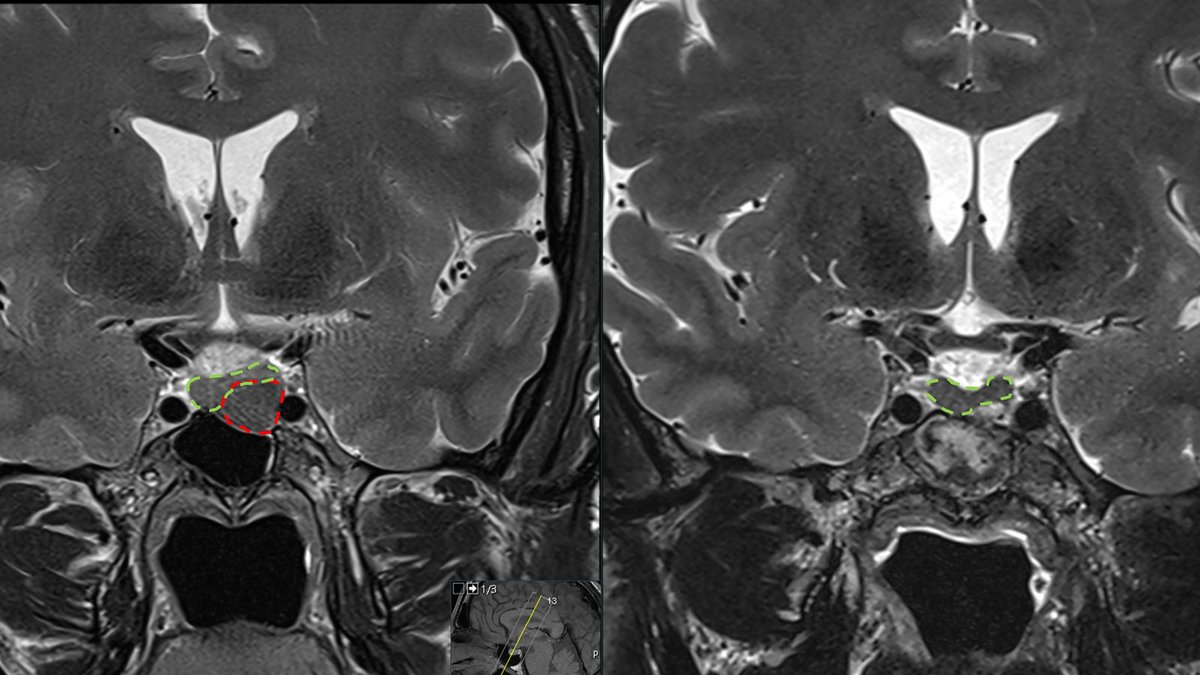
A follow-up MRI is usually performed 2–3 months after surgery.
What happens next if the surgery was not effective enough?
If the disease cannot be adequately controlled by surgery, drug therapy usually follows *.
Other options include repeat surgery or radiation therapy.
Reoperation is more challenging and offers a lower chance of cure than the initial procedure. Depending on the size and extent of the residual tumor, however, a cure can still be achieved in about 50% of cases *, *, *.
Radiation therapy is considered when medication is not sufficiently effective and reoperation is not possible *. Its effects usually take time to become apparent, though they generally occur more quickly with radiosurgery than with conventional radiation therapy. Overall, the disease can be controlled in 50–70% of cases using this approach.
Drug therapy
Through the combination of surgery and drug therapy, acromegaly can be controlled in approximately 85–90% of those affected *, *.
Various classes of drugs are available for drug therapy. Somatostatin analogs such as octreotide or lanreotide are frequently used. They inhibit the release of growth hormone and can shrink the tumor. Long-acting formulations are typically administered every four weeks. The dosage is adjusted individually based on efficacy and tolerability. Somatostatin analogs can control the disease in about half of those affected *.
Another option is pasireotide. Since this medication can raise blood sugar levels, regular monitoring is necessary.
For milder cases, the dopamine agonist cabergoline may also be used.
Pegvisomant blocks the effects of growth hormone in the body, thereby lowering IGF-1 levels. For this reason, IGF-1 – rather than growth hormone – is measured to monitor the course of the disease. Since pegvisomant does not directly inhibit hormone production or tumor growth, the tumor’s size is monitored regularly via MRI.
Radiation therapy
Radiation therapy is primarily considered when tumor tissue remains after surgery and the disease cannot be adequately controlled with medication. Since its effects usually take time to become apparent, it is specifically used as an adjunctive treatment.
Since the tumor is often located close to the optic nerve and other hormonal functions of the pituitary gland may be impaired, careful planning is essential. Radiation therapy should therefore be performed at a specialized center *.
Why is comprehensive care important?
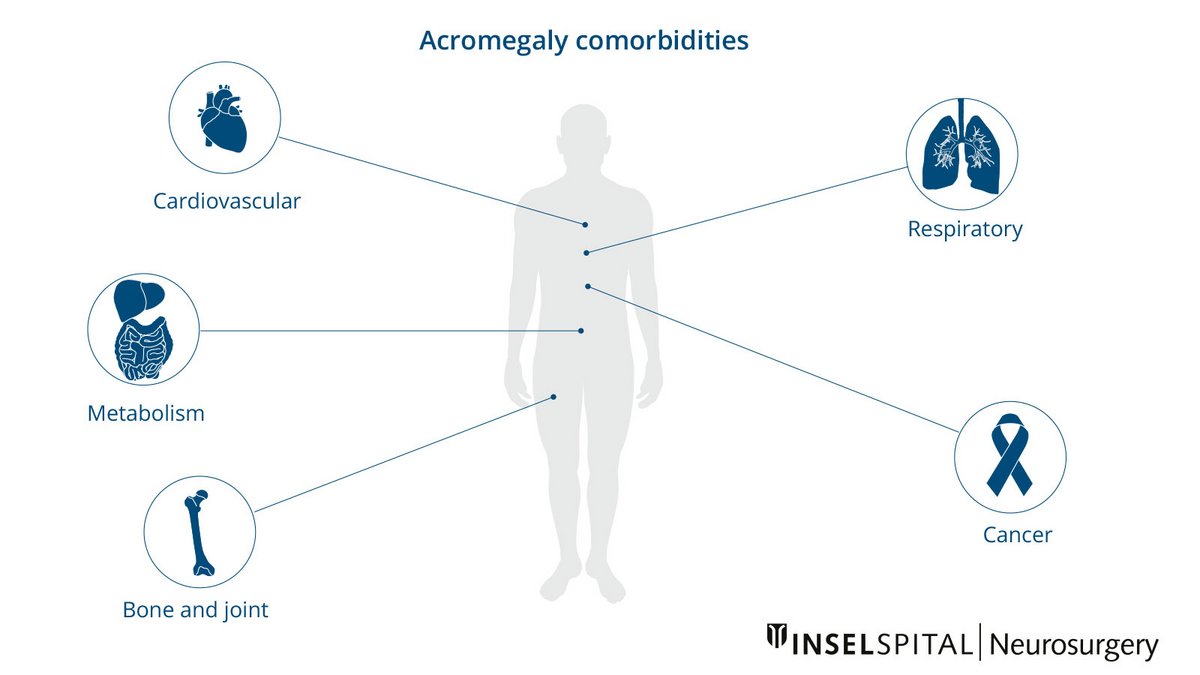
Acromegaly can affect various organs and bodily functions. For this reason, potential comorbidities must be monitored and treated regularly – even after successful treatment of acromegaly *.
High blood pressure and heart problems
About half of those affected have high blood pressure *. Blood pressure should be monitored at the time of diagnosis and every six months thereafter *. After successful surgery, it may return to normal in some cases.
To evaluate heart function, an ECG and at least one echocardiogram are recommended at the time of diagnosis *. Successful treatment of acromegaly can improve heart function.
Diabetes and blood lipids
About one-third of those affected develop diabetes. Therefore, blood sugar and the long-term blood sugar level (HbA1c) should be monitored at the time of diagnosis and every 3–6 months thereafter. If levels are elevated, appropriate treatment is initiated. Monitoring blood lipids is also advisable.
Sleep apnea
Many patients suffer from nighttime breathing pauses, a condition known as obstructive sleep apnea. It is advisable to evaluate this condition at the time of diagnosis. If necessary, continuous positive airway pressure (CPAP) therapy is initiated.
After successful treatment of acromegaly, sleep apnea may improve as swelling in the throat subsides. Permanent bone changes, however, usually do not resolve.
Bones and musculoskeletal system
Vertebral fractures and other bone fractures occur more frequently in acromegaly *. Bone density should therefore be monitored at the time of diagnosis and subsequently based on disease activity *. Effective management of acromegaly is likely to have a positive effect on bone health.
Colon cancer screening
People with acromegaly have a slightly increased risk of certain cancers, particularly colon cancer. A colonoscopy is therefore recommended at the time of initial diagnosis. Further screenings are conducted as part of regular colon cancer screening.
Why you should seek treatment at a specialized center
The treatment of acromegaly often requires collaboration among various medical specialties and a combination of several therapies. At the Pituitary Center at Inselspital, all specialists involved work closely together. This allows us to plan treatment on an individualized basis and carry it out in accordance with current medical standards.
The team’s experience and the collaboration between neurosurgery and otolaryngology are crucial to the success of the surgery. The benefits and risks of the procedure are carefully weighed for each patient.
In select cases, we also remove portions of the tumor that have invaded the cavernous sinus adjacent to the pituitary gland. To do this, the medial wall of the cavernous sinus can be removed using a specialized endoscopic technique. This can improve the chances of a successful outcome from the surgery and requires specialized surgical expertise.
Our primary goals are to normalize hormone levels, remove the tumor as completely and safely as possible, and preserve the nose. Close interdisciplinary collaboration and consistent quality control guide the entire treatment process.
-
Cheok SK, Carmichael JD, Zada G. Management of growth hormone-secreting pituitary adenomas causing acromegaly: a practical review of surgical and multimodal management strategies for neurosurgeons. J Neurosurg. 2023 Nov 10;140(5):1285-1294. doi: 10.3171/2023.8.JNS221975.
-
Mete O, Cintosun A, Pressman I, Asa SL. Epidemiology and biomarker profile of pituitary adenohypophysial tumors. Mod Pathol. 2018 Jun;31(6):900-909. doi: 10.1038/s41379-018-0016-8. Epub 2018 Feb 12.
-
Esposito D, Ragnarsson O, Johannsson G, Olsson DS. Prolonged diagnostic delay in acromegaly is associated with increased morbidity and mortality. Eur J Endocrinol. 2020 Jun;182(6):523-531. doi: 10.1530/EJE-20-0019.
-
Melmed S, Bronstein MD, Chanson P, Klibanski A, Casanueva FF, Wass JAH, Strasburger CJ, Luger A, Clemmons DR, Giustina A. A Consensus Statement on acromegaly therapeutic outcomes. Nat Rev Endocrinol. 2018 Sep;14(9):552-561. doi: 10.1038/s41574-018-0058-5.
-
Chen CJ, Ironside N, Pomeraniec IJ, Chivukula S, Buell TJ, Ding D, Taylor DG, Dallapiazza RF, Lee CC, Bergsneider M. Microsurgical versus endoscopic transsphenoidal resection for acromegaly: a systematic review of outcomes and complications. Acta Neurochir (Wien). 2017 Nov;159(11):2193-2207. doi: 10.1007/s00701-017-3318-6. Epub 2017 Sep 14.
-
Anik I, Cabuk B, Gokbel A, Selek A, Cetinarslan B, Anik Y, Ceylan S. Endoscopic Transsphenoidal Approach for Acromegaly with Remission Rates in 401 Patients: 2010 Consensus Criteria. World Neurosurg. 2017 Dec;108:278-290. doi: 10.1016/j.wneu.2017.08.182. Epub 2017 Sep 5.
-
Guo X, Zhang R, Zhang D, Wang Z, Gao L, Yao Y, Deng K, Bao X, Feng M, Xu Z, Yang Y, Lian W, Wang R, Ma W, Xing B. Determinants of immediate and long-term remission after initial transsphenoidal surgery for acromegaly and outcome patterns during follow-up: a longitudinal study on 659 patients. J Neurosurg. 2022 Jan 14;137(3):618-628. doi: 10.3171/2021.11.JNS212137.
-
Hazer DB, Işık S, Berker D, Güler S, Gürlek A, Yücel T, Berker M. Treatment of acromegaly by endoscopic transsphenoidal surgery: surgical experience in 214 cases and cure rates according to current consensus criteria. J Neurosurg. 2013 Dec;119(6):1467-77. doi: 10.3171/2013.8.JNS13224. Epub 2013 Sep 27.
-
Almeida JP, Ruiz-Treviño AS, Liang B, Omay SB, Shetty SR, Chen YN, Anand VK, Grover K, Christos P, Schwartz TH. Reoperation for growth hormone-secreting pituitary adenomas: report on an endonasal endoscopic series with a systematic review and meta-analysis of the literature. J Neurosurg. 2018 Aug;129(2):404-416. doi: 10.3171/2017.2.JNS162673. Epub 2017 Sep 1.
-
Eaton JC, Swaminathan S, El-Ghazali FM, et al. Tumor characteristics and clinical outcomes in 113 patients with acromegaly: exploratory analysis of the role of histologic invasion of adjacent tissues. J Clin Neurosci. 2026 Jan;143:111771. doi: 10.1016/j.jocn.2025.111771. Epub 2025 Nov 28.
-
Emmanouilidis D, Polanski W, Juratli T, Sobottka SB, Tsourdi E, Gruber M, Pinzer T, Eyüpoglu IY. Predictive factors for post-therapeutic biochemical discordance in acromegaly: a monocentric analysis of 156 cases. Pituitary. 2025 Jun 22;28(4):74. doi: 10.1007/s11102-025-01547-8.
-
Wang YY, Waqar M, Abou-Zeid A, Kearney T, Caputo C, Davis J, Trainer P, Higham C, Roncaroli F, Gnanalingham KK. Value of Early Post-Operative Growth Hormone Testing in Predicting Long-Term Remission and Residual Disease after Transsphenoidal Surgery for Acromegaly. Neuroendocrinology. 2022;112(4):345-357. doi: 10.1159/000517476. Epub 2021 May 28.
-
Cardinal T, Rutkowski MJ, Micko A, Shiroishi M, Jason Liu CS, Wrobel B, Carmichael J, Zada G. Impact of tumor characteristics and pre- and postoperative hormone levels on hormonal remission following endoscopic transsphenoidal surgery in patients with acromegaly. Neurosurg Focus. 2020 Jun;48(6):E10. doi: 10.3171/2020.3.FOCUS2080.
-
Torres A, Muñoz F, Sanmillan JL, Gabarros A. Cavernous Sinus Medial Wall Resection in Invasive Pituitary Adenomas: Outcome in Acromegaly. World Neurosurg. 2026 May;209:124929. doi: 10.1016/j.wneu.2026.124929. Epub 2026 Mar 19.
-
Mohyeldin A, Katznelson LJ, Hoffman AR, Asmaro K, Ahmadian SS, Eltobgy MM, Nayak JV, Patel ZM, Hwang PH, Fernandez-Miranda JC. Prospective intraoperative and histologic evaluation of cavernous sinus medial wall invasion by pituitary adenomas and its implications for acromegaly remission outcomes. Sci Rep. 2022 Jun 15;12(1):9919. doi: 10.1038/s41598-022-12980-1.
-
Nishioka H, Fukuhara N, Horiguchi K, Yamada S. Aggressive transsphenoidal resection of tumors invading the cavernous sinus in patients with acromegaly: predictive factors, strategies, and outcomes. J Neurosurg. 2014 Sep;121(3):505-10. doi: 10.3171/2014.3.JNS132214. Epub 2014 Jul 11.
-
Nagata Y, Takeuchi K, Yamamoto T, Ishikawa T, Kawabata T, Shimoyama Y, Wakabayashi T. Removal of the Medial Wall of the Cavernous Sinus for Functional Pituitary Adenomas: A Technical Report and Pathologic Significance. World Neurosurg. 2019 Jun;126:53-58. doi: 10.1016/j.wneu.2019.02.134. Epub 2019 Mar 5.
-
Shin SS, Tormenti MJ, Paluzzi A, Rothfus WE, Chang YF, Zainah H, Fernandez-Miranda JC, Snyderman CH, Challinor SM, Gardner PA. Endoscopic endonasal approach for growth hormone secreting pituitary adenomas: outcomes in 53 patients using 2010 consensus criteria for remission. Pituitary. 2013 Dec;16(4):435-44. doi: 10.1007/s11102-012-0440-6.
-
Antunes X, Ventura N, Camilo GB, Wildemberg LE, Guasti A, Pereira PJM, Camacho AHS, Chimelli L, Niemeyer P, Gadelha MR, Kasuki L. Predictors of surgical outcome and early criteria of remission in acromegaly. Endocrine. 2018 Jun;60(3):415-422. doi: 10.1007/s12020-018-1590-8. Epub 2018 Apr 6.
-
Starke RM, Raper DM, Payne SC, Vance ML, Oldfield EH, Jane JA Jr. Endoscopic vs microsurgical transsphenoidal surgery for acromegaly: outcomes in a concurrent series of patients using modern criteria for remission. J Clin Endocrinol Metab. 2013 Aug;98(8):3190-8. doi: 10.1210/jc.2013-1036. Epub 2013 Jun 4.
-
Schwyzer L, Starke RM, Jane JA Jr, Oldfield EH. Percent reduction of growth hormone levels correlates closely with percent resected tumor volume in acromegaly. J Neurosurg. 2015 Apr;122(4):798-802. doi: 10.3171/2014.10.JNS14496. Epub 2014 Nov 28.
-
Tanioka D, Natori I, Kobayashi Y, Arai S, Matsumoto M, Sumi K, Shimizu K, Morofuji Y. Early Postoperative Predictors of Remission After Transsphenoidal Surgery in Acromegaly: Introduction of the PARS. J Endocr Soc. 2025 Dec 15;10(1):bvaf207. doi: 10.1210/jendso/bvaf207.
-
Kim EH, Oh MC, Lee EJ, Kim SH. Predicting long-term remission by measuring immediate postoperative growth hormone levels and oral glucose tolerance test in acromegaly. Neurosurgery. 2012 May;70(5):1106-13; discussion 1113. doi: 10.1227/NEU.0b013e31823f5c16.
-
Giustina A, Chanson P, Bronstein MD, Klibanski A, Lamberts S, Casanueva FF, Trainer P, Ghigo E, Ho K, Melmed S; Acromegaly Consensus Group. A consensus on criteria for cure of acromegaly. J Clin Endocrinol Metab. 2010 Jul;95(7):3141-8. doi: 10.1210/jc.2009-2670. Epub 2010 Apr 21.
-
Giustina A, Barkhoudarian G, Beckers A, et al. https://doi.org/10.1007/s11154-020-09588-zMultidisciplinary management of acromegaly: A consensus. Rev Endocr Metab Disord. 2020 Dec;21(4):667-678. doi: 10.1007/s11154-020-09588-z. Epub 2020 Sep 10.
-
Zeinalizadeh M, Habibi Z, Fernandez-Miranda JC, Gardner PA, Hodak SP, Challinor SM. Discordance between growth hormone and insulin-like growth factor-1 after pituitary surgery for acromegaly: a stepwise approach and management. Pituitary. 2015 Feb;18(1):48-59. doi: 10.1007/s11102-014-0556-y. PMID: 24496953.
-
Ishida T, Kawaguchi T, Ogawa Y, Endo H. Long-term clinical control in acromegaly patients with postoperative discordant nadir growth hormone during oral glucose tolerance test and insulin-like growth factor 1 levels: a retrospective observational study and literature review. Langenbecks Arch Surg. 2025 Dec 10;411(1):46. doi: 10.1007/s00423-025-03951-x.
-
Atai S, Wiedmann M, Dahlberg D, Bollerslev J, Heck A. Management of acromegaly beyond primary surgery: efficacy and safety of repeat surgery and radiotherapy. Acta Neurochir (Wien). 2025 Aug 18;167(1):223. doi: 10.1007/s00701-025-06640-2.
-
Asa SL, Mete O, Perry A, Osamura RY. Overview of the 2022 WHO Classification of Pituitary Tumors. Endocr Pathol. 2022 Mar;33(1):6-26. doi: 10.1007/s12022-022-09703-7. Epub 2022 Mar 15. PMID: 35291028.
-
Fougner SL, Casar-Borota O, Heck A, Berg JP, Bollerslev J. Adenoma granulation pattern correlates with clinical variables and effect of somatostatin analogue treatment in a large series of patients with acromegaly. Clin Endocrinol (Oxf). 2012 Jan;76(1):96-102. doi: 10.1111/j.1365-2265.2011.04163.x. PMID: 21722151.
-
Akirov A, Asa SL, Amer L, Shimon I, Ezzat S. The Clinicopathological Spectrum of Acromegaly. J Clin Med. 2019 Nov 13;8(11):1962. doi: 10.3390/jcm8111962.
-
Kiseljak-Vassiliades K, Carlson NE, Borges MT, Kleinschmidt-DeMasters BK, Lillehei KO, Kerr JM, Wierman ME. Growth hormone tumor histological subtypes predict response to surgical and medical therapy. Endocrine. 2015 May;49(1):231-41. doi: 10.1007/s12020-014-0383-y. Epub 2014 Aug 17.
-
Heck A, Ringstad G, Fougner SL, Casar-Borota O, Nome T, Ramm-Pettersen J, Bollerslev J. Intensity of pituitary adenoma on T2-weighted magnetic resonance imaging predicts the response to octreotide treatment in newly diagnosed acromegaly. Clin Endocrinol (Oxf). 2012 Jul;77(1):72-8. doi: 10.1111/j.1365-2265.2011.04286.x.
-
Araujo-Castro M, García-Centeno R, González L, et al. Prevalence and evolution of hypertension in a large Iberian cohort of patients with acromegaly. Pituitary. 2025 Oct 25;28(6):119. doi: 10.1007/s11102-025-01586-1.
-
Giustina A, di Filippo L, Fleseriu M, et al. Consensus on acromegaly complications: an update. Pituitary. 2026 Apr 29;29(3):76. doi: 10.1007/s11102-026-01639-z. PMID: 42050227; PMCID: PMC13124806.
-
Chiloiro S, Palumbo C, Giampietro A, De Marinis L, Bianchi A, Giustina A, Pontecorvi A. Acromegaly treatment and bone: a bidirectional relationship. Pituitary. 2025 Nov 8;28(6):124. doi: 10.1007/s11102-025-01573-6.