
Artificial intelligence provides answers in seconds. But how does that translate into medical expertise? At Inselspital, Bern University Hospital, and the University of Bern, an app developed by the AI research group led by neurosurgeons Prof. Dr. med. Andreas Raabe and PD Dr. Michael Murek, along with software developers Toni Antunovic and Thomas Winklehner, is nearing completion. In the «Extended Mind» project, they are combining medical knowledge with personalized learning. The vision: a personal, interactive knowledge twin.
AI applications such as ChatGPT and OpenEvidence provide quick access to medical knowledge. But experts are sounding the alarm. This convenient use comes with risks. Experts warn of «deskilling» and «never-skilling»: existing skills are lost, and new competencies may not be adequately acquired. In addition, there is a growing risk of «pseudo-competence»: while tasks can be completed with the help of AI, without AI there is a lack of deeper clinical understanding.
Humans and AI as knowledge partners
To counteract this trend, the Bern-based «Extended Mind» project is taking a completely new approach. Here, humans and AI work together as equal knowledge partners. The dialogue between a physician and an AI-generated curriculum gives rise to an interactive knowledge twin. This twin serves simultaneously as a living textbook, podcast author, teacher, colleague, and critical reviewer.
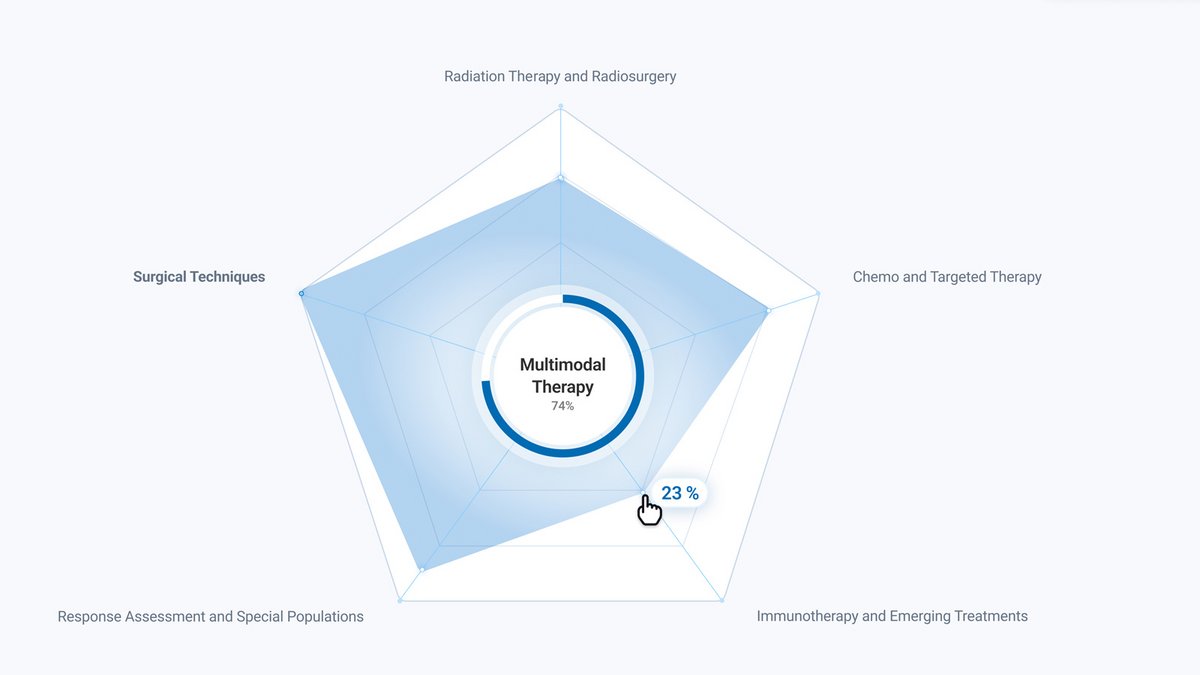
The app is always tailored to the physician’s individual level of knowledge and specific interests. Through targeted questions, the app identifies knowledge gaps and encourages independent thinking.
Efficiency through Delta Filter
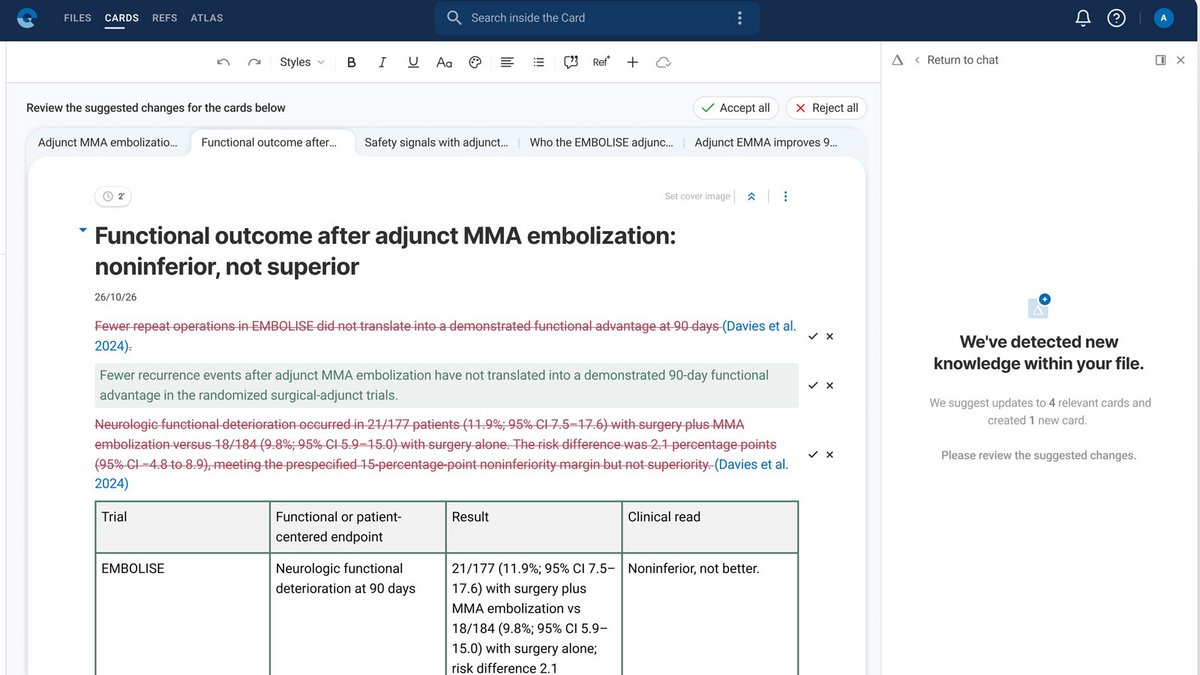
A key enhancement is currently under development: the so-called Delta Filter. It continuously compares new specialized information with the user’s existing personal knowledge. Genuine innovations are specifically highlighted to protect physicians from information overload. Users decide for themselves which additions to incorporate.
Better patient care through improved knowledge acquisition
The knowledge twin is designed to help doctors learn faster, gain a deeper understanding of complex relationships, and apply their knowledge more confidently in clinical practice. This partnership between human expertise and artificial intelligence is intended not only to support the medical community but also to achieve better treatment outcomes for patients.
The application’s potential extends far beyond neurosurgery: Byties AG, a spin-off from the University of Bern, plans to further develop the application for other medical specialties and make it accessible in the future.